Sometimes the Obvious Things are Overlooked
Preserve Potency. Protect Efficacy. This is simple science.
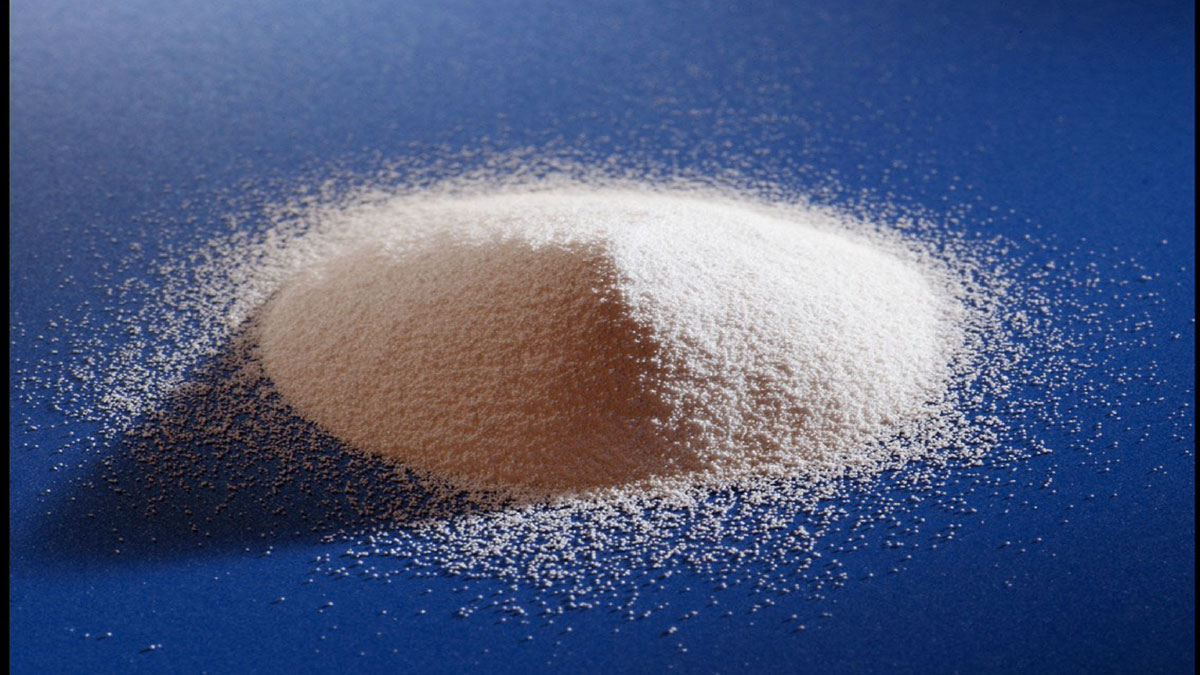
Whole wheat powder, herbal extract powder… Different Powders – same chemical reactions. After grinding whole wheat to a powder, in 2 weeks time, if not refrigerated or frozen, it’s likely rancid with a noticeable bad smell and taste. Most sensitive vitamins are significantly depleted especially vitamins E and B.
Even brief exposure to air significantly degrades dried herbal extracts. Those powders and granules, with their high surface area, oxidize rapidly. Each bottle opening accelerates a staling process that began the day a powder was first made. This loss of potency can directly impact clinical outcomes.
The many TCM seeds, like Persica seed (Tao Ren) and Armeniacae seed (Xing Ren), for example, contain bioactive oils that are highly sensitive to oxidation. Rancidity is quick. Conventional post-cooking processing techniques, especially the industrial *spray drying method, saturate bioactive oils with oxygen, compromising their cellular integrity and spraying away volatile constituents (fragrance) essential for efficacy.
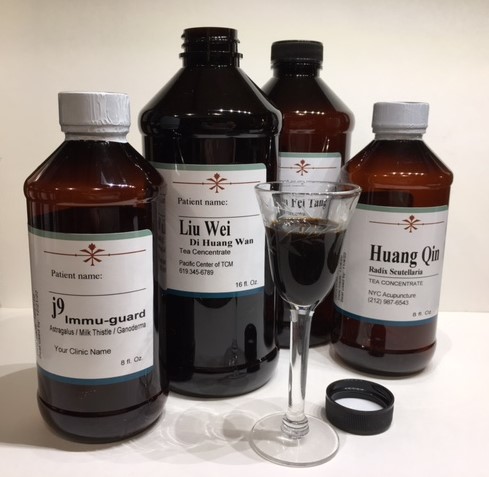
The Solution: JRL herbal tea concentrates are immediately stabilized with 20% alcohol after cooking to preserve herbal integrity at peak potency. Minimizing oxygen exposure and protecting volatile and oil-based compounds, are formats that will maintain consistent high potency over time.
The difference between 100% potent,
and some degree of stale, is of enormous consequence.
Quality Without Compromise
Handcrafted, deliberate, and uncompromising, our production processes are designed to uphold the highest quality standards. For practitioners, the selection of high-integrity formulations constitutes a clinical decision. Our preparations provide consistent, therapeutically active botanical materials that closely reflect the native composition of the source plant, supporting stability, potency, and predictable patient outcomes.
Ancient texts document a diverse array of herbal preparation techniques. As in contemporary practice, however, social competition and economic pressures have historically influenced these methods, often favoring expedient approaches and practical compromises. For example, portable formulations such as pills and powders were developed to enable laborers to conveniently carry and consume herbs while working continuously in the fields. In contrast, emperors would use more potent, traditional forms of herbal preparation.
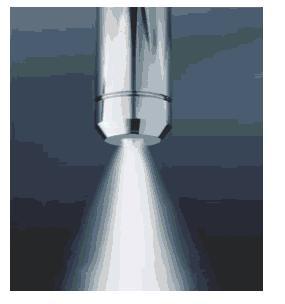
*Spray drying is a method used to convert a liquid or slurry into a dry powder by rapidly drying it with hot gas. This process should not be glossed over. Many TCM herbs are potent because of their aromatic/fragrant quality. Their scents are distinctive and conspicuous statements of power. In the body, they’re highly therapeutic and fast acting. While spray drying is efficient for mass production, it literally blows away much of the aromatic component of an herb. Extract pills are commonly made from powders or granules that were spray-dried (or other spray-air processing). Thus, they barely have any smell. This common practice markedly decreases therapeutic potential.
The strong taste, revealing a potent medicine, is quite tolerable in a mango juice shot.